Fake content has existed for several years, and in the past, detecting forged content was relatively easy. Today, however, due to advancements in Artificial Intelligence (AI) and Machine Learning (ML), it is becoming increasingly difficult to distinguish between fiction and reality, raising concerns about the potential weaponisation of deepfakes (Gil et al., 2023).
What is a Deepfake?
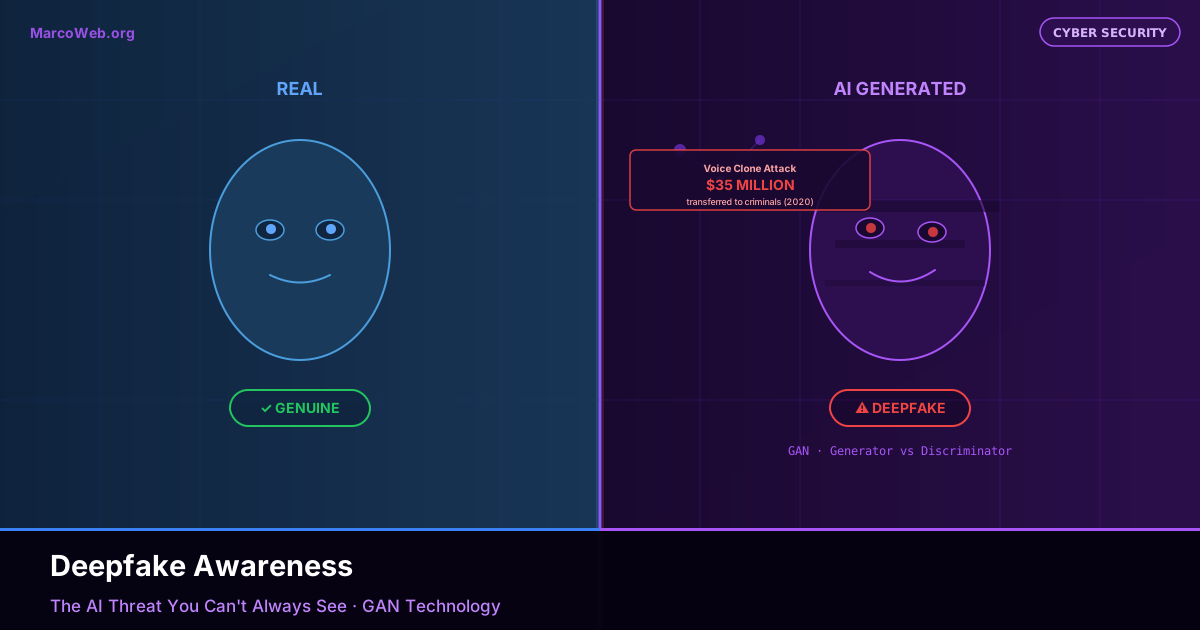
Deepfakes use a combination of AI algorithms, including Generative Adversarial Networks (GANs), to create synthetic media. The technology employs two competing AI algorithms:
- The Generator: creates a fake video or audio clip
- The Discriminator: tries to determine if it’s real by comparing it against its training data
They continue this process until the Generator finally convinces the Discriminator that the fake is real. The algorithm is trained on images and/or audio files of the subject using ML models; the more accurate the dataset, the better the results (Wang et al., 2020, p. 2).
Cybercrime and Deepfake
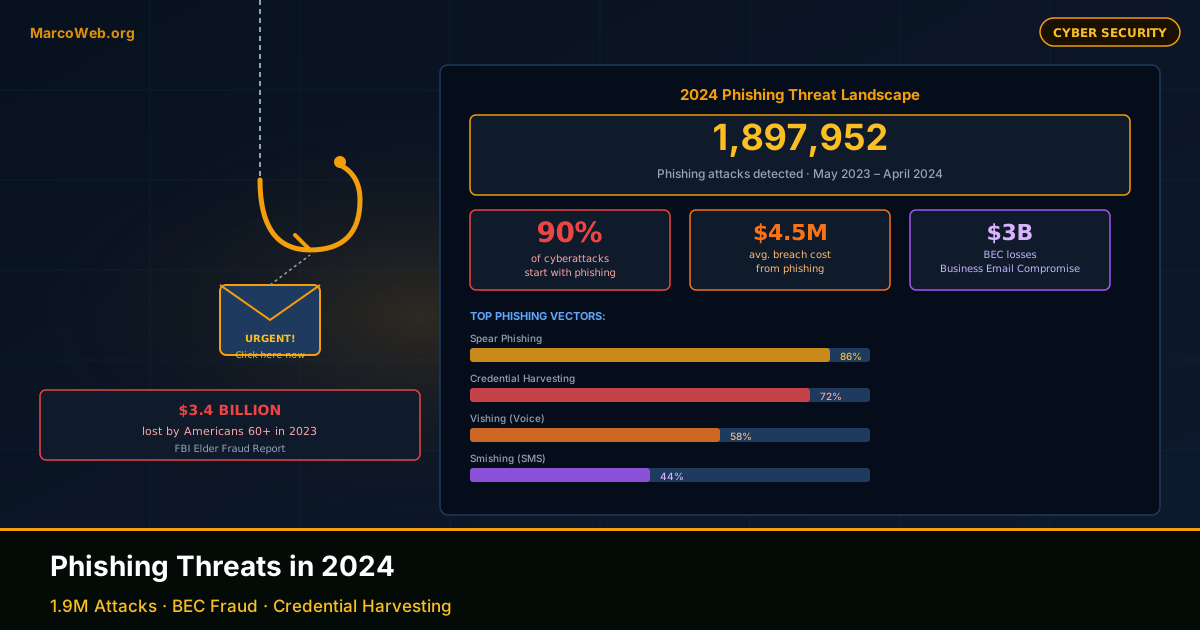
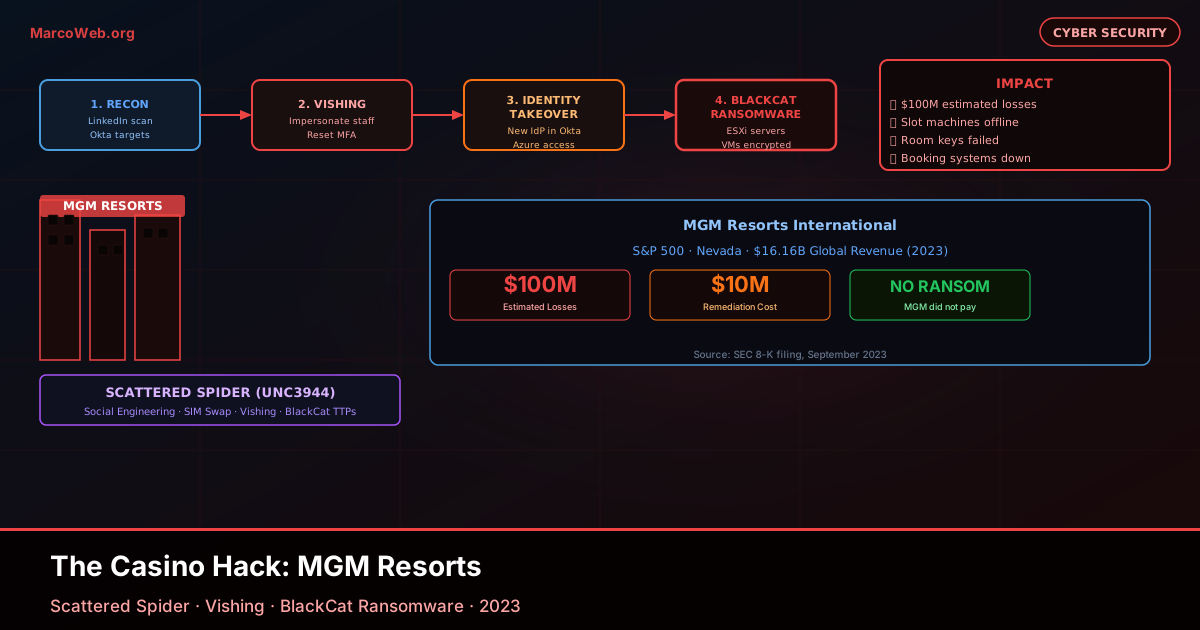
There is growing evidence that AI is being used by malicious actors in criminal activities at increasing rates (Sumsub, 2023).
In early 2020, a phone call was made to the branch manager of a Japanese company in Hong Kong using the cloned voice of the parent business director based in the U.A.E. The branch manager was convinced that the company would acquire another firm and transferred $35 million to the criminal organisation, raising global concern about AI’s potential for cybercrime (Brewster, 2021).
Regulation and Enforcement
Governments are beginning to respond:
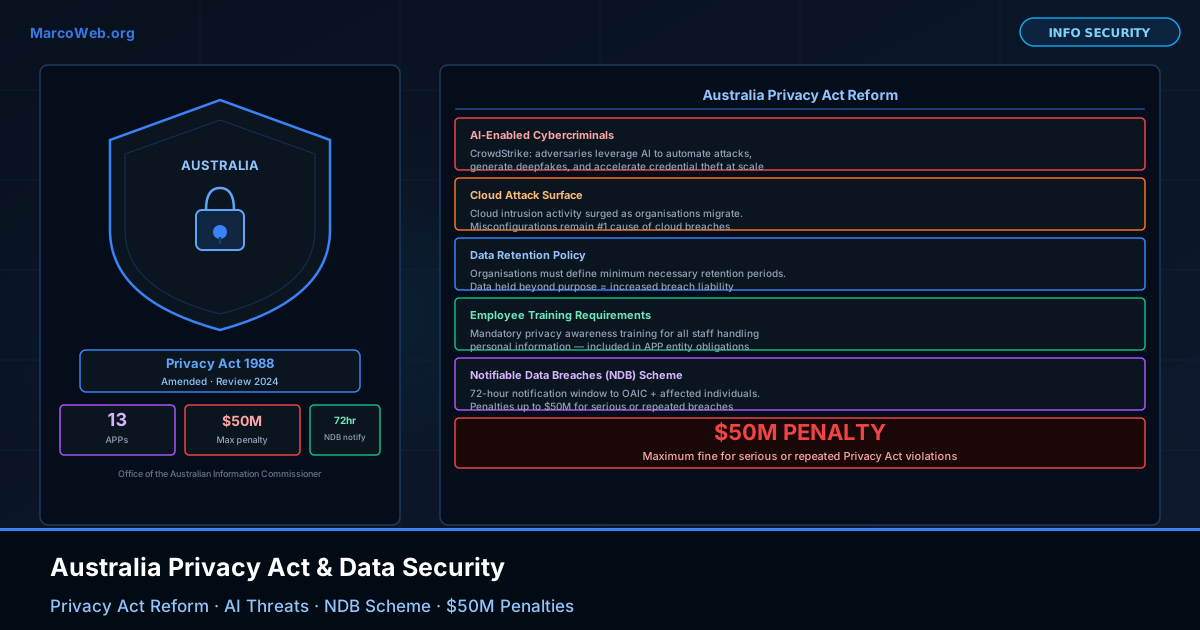
- China has regulated deep synthesis technology, requiring all modified content to be marked as having been altered.
- The EU and UK are taking steps to regulate deepfakes.
However, more needs to be done to address the growing concern of law enforcement regarding this matter (Kharpal, 2022).
Conclusion
Deepfake attacks are a growing threat that can cause significant harm to individuals and corporations. By understanding how they work and taking proactive measures to detect them, you can protect yourself from these sophisticated attacks.
Remember: fact-checking is crucial in today’s AI-driven world.
References
- Brewster, T. (2021). Fraudsters Cloned Company Director’s Voice In $35 Million Bank Heist, Police Find. Forbes.
- Gil, R., et al. (2023). Deepfakes: evolution and trends. Soft Computing, 27. https://doi.org/10.1007/s00500-023-08605-y
- Kharpal, A. (2022). China is about to get tougher on deepfakes in an unprecedented way. CNBC.
- Sumsub. (2023). Sumsub Identity Fraud Report 2023.
- Wang, L., et al. (2020). A State-of-the-Art Review on Image Synthesis With Generative Adversarial Networks. IEEE Access, 8, 63514–63537.